

Taking care of your health is one of the most important things in life. This includes regular doctor visits, preventive care, and making safe personal health decisions. Two topics many people search online are contraceptive management options and finding a primary care doctor.
These are very important because they help people plan their families, protect their health, and get proper medical guidance when needed. In this blog, we will explain everything in very simple words so anyone can understand.
What Is a Primary Care Doctor?
A primary care doctor is your main health doctor. This is the doctor you visit for regular checkups, minor illnesses, preventive care, and health advice.
When people search for a primary care doctor, they usually want a trusted doctor who can:
Refer to specialists when needed
- Treat common illnesses
- Manage long-term health problems
- Provide preventive care
- Give health advice
- Refer to specialists when needed
- Refer to specialists when needed
Having a regular doctor helps you stay healthy and detect problems early.
Why Is It Important to Have a Primary Care Doctor?
Many people only visit a doctor when they feel sick. But regular visits to a primary care doctor can prevent serious health issues.
Here are some benefits:
Early Detection of Diseases
Doctors can find problems like diabetes, high blood pressure, or thyroid issues early.
Personalized Health Advice
You get guidance based on your lifestyle, age, and health condition.
Preventive Care
Vaccinations, screenings, and routine tests help avoid future illnesses.
Continuous Medical History
Your doctor understands your health history, which helps in better treatment.
What Services Does a Primary Care Doctor Provide?
When you visit a primary care doctor, you can receive many services such as:
- Preventive screenings
- Annual physical exams
- Lab testing services
- Chronic disease management
- Women’s health services
- Family planning advice
- Preventive screenings
This makes primary care doctors an important part of overall health management.
Understanding Contraceptive Management Options
Family planning is an important part of healthcare. Many people search for contraceptive management options because they want safe and reliable ways to prevent pregnancy.
Contraceptive management means choosing and using birth control methods that suit your body, lifestyle, and health needs. Doctors help patients select the best option based on medical history and personal preference.
Types of Contraceptive Management Options
There are many birth control methods available today. Let’s look at them in simple words.
1. Birth Control Pills
These are tablets taken daily to prevent pregnancy. They work by controlling hormones and stopping ovulation.
Benefits:
- Easy to use
- Helps regulate periods
- Reduces cramps
2. Contraceptive Injections
These are hormone injections given every few months. They prevent ovulation and reduce pregnancy risk.
Benefits:
- Long-lasting protection
- No daily reminder needed
3. Intrauterine Devices (IUDs)
An IUD is a small device placed inside the uterus by a doctor. It can work for several years.
Benefits:
- Highly effective
- Long-term protection
- Low maintenance
4. Contraceptive Implants
These are small rods placed under the skin of the arm. They release hormones slowly.
Benefits:
- Long-lasting
- Very effective
5. Barrier Methods
These include condoms and diaphragms. They prevent sperm from reaching the egg.
Benefits:
- Protect against infections
- Easy to use
- No hormones
6. Emergency Contraception
This is used after unprotected intercourse to prevent pregnancy. It should be taken as soon as possible.

How to Choose the Right Contraceptive Method
Choosing the right contraceptive management options depends on several factors:
- Age and health condition
- Lifestyle and comfort level
- Family planning goals
- Hormonal sensitivity
- Medical history
A doctor can help you decide which method is safest and most effective for you.
Why You Should Consult a Doctor for Birth Control
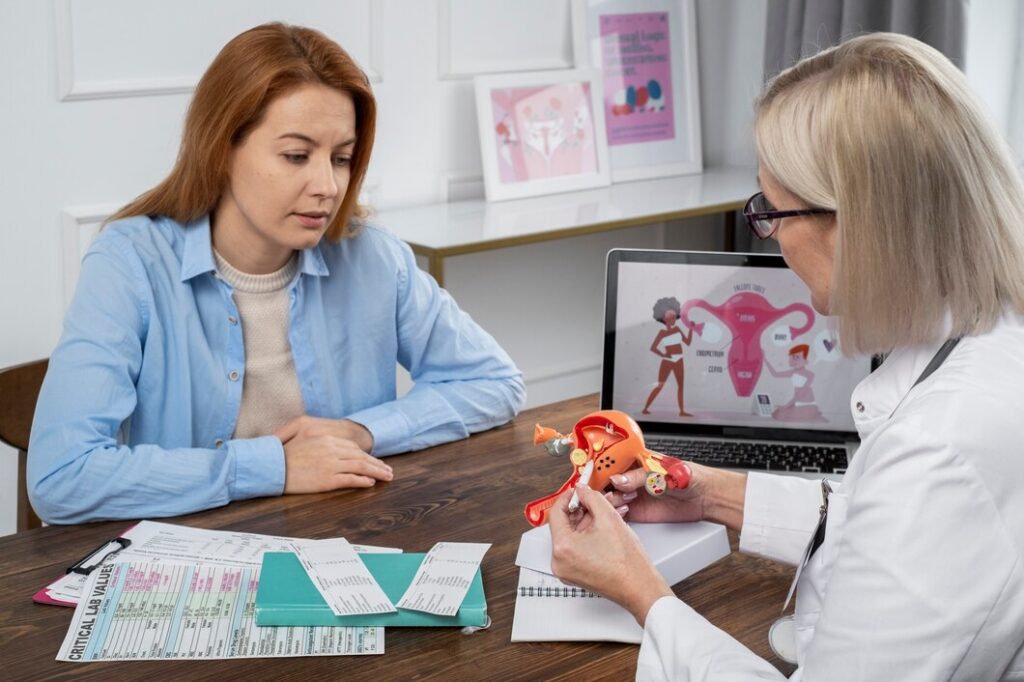
Many people choose birth control without medical advice, which can sometimes cause health problems. Visiting a primary care doctor ensures you receive safe and personalized recommendations.
Doctors help by:
- Checking your health history
- Explaining benefits and risks
- Monitoring side effects
- Adjusting methods if needed
This makes contraceptive management safe and effective.
Benefits of Proper Contraceptive Management
Using the right birth control method offers many advantages:
- Prevents unwanted pregnancy
- Helps plan family timing
- Improves menstrual health
- Reduces stress and anxiety
- Supports women’s overall health
Family planning is not just about pregnancy prevention — it also improves quality of life.
Common Myths About Birth Control
Many people have misunderstandings about contraception. Let’s clear a few:
Myth: Birth control causes infertility.
Truth: Most methods are temporary and safe.
Myth: Birth control pills cause major weight gain.
Truth: Most people experience little or no change.
Myth: Only women need contraception advice.
Truth: Family planning involves both partners.
Tips for Maintaining Reproductive Health
Here are simple tips to stay healthy:
- Visit your doctor regularly
- Follow your chosen birth control method properly
- Maintain hygiene
- Eat healthy foods
- Manage stress
- Ask questions without hesitation
Taking small steps can improve long-term health.
Choosing the Right Healthcare Provider
When searching for a primary care doctor or guidance on contraceptive management options, it is important to choose a trusted clinic that provides:
- Experienced medical professionals
- Personalized care
- Confidential consultations
- Comfortable environment
- Comprehensive health services
Many patients trust KAR Medical Care for compassionate and professional healthcare. The clinic offers complete primary care services along with personalized family planning support to help patients make safe and informed decisions.
FinalThoughts
Good health starts with the right medical support and informed choices. Whether you are looking for reliable contraceptive management options or trying to find a trusted primary care doctor, professional guidance makes a big difference.
Primary care doctors help you stay healthy through regular checkups, preventive care, and personalized advice. At the same time, proper contraceptive management allows individuals and families to plan their future safely and confidently.
By choosing a trusted healthcare provider and staying proactive about your health, you can enjoy peace of mind, better wellness, and a healthier life.

