

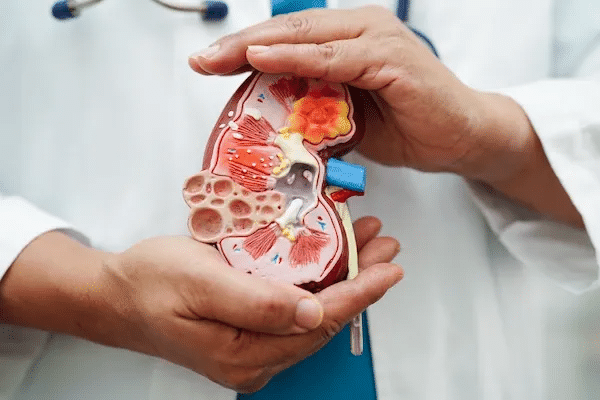
Your liver and kidneys are two of the most important organs in your body. They work around the clock to remove toxins, process nutrients, balance fluids, and support overall health. When these organs are not functioning properly, symptoms may not appear until significant damage has already occurred. That’s why a liver and kidney function test is an important part of preventive healthcare and early disease detection.
At KAR Medical Care, we recommend routine health screenings to identify potential health concerns before they become serious.
What Is a Liver and Kidney Function Test?
A liver and kidney function test is a combination of blood and urine tests that evaluate how effectively these vital organs are working. These tests help healthcare providers detect early signs of disease, monitor chronic conditions, and assess the impact of medications on organ health. Liver function tests measure enzymes, proteins, and bilirubin levels in the blood to determine liver health, while kidney function tests evaluate how efficiently the kidneys filter waste and maintain fluid balance.
Related Keywords:
- Liver function test
- Kidney function test
- Comprehensive metabolic panel (CMP)
Why Are Liver Function Tests Important?
The liver performs hundreds of essential functions, including detoxifying harmful substances, producing proteins, storing nutrients, and supporting digestion. When the liver becomes damaged due to infection, fatty liver disease, excessive alcohol consumption, medication use, or other conditions, liver function tests can help identify abnormalities early.
Common liver function tests include:
- Alanine Aminotransferase (ALT)
- Aspartate Aminotransferase (AST)
- Alkaline Phosphatase (ALP)
- Bilirubin
- Albumin
- Total Protein
Abnormal levels may indicate inflammation, liver injury, hepatitis, fatty liver disease, or bile duct problems.
Why Are Kidney Function Tests Important?
Your kidneys filter waste products and excess fluid from the blood while helping regulate blood pressure and electrolyte balance. Kidney function tests help determine whether the kidneys are performing these tasks efficiently. These tests are particularly important for people with diabetes, high blood pressure, heart disease, or a family history of kidney disease.
Common kidney function tests include:
- Serum Creatinine
- Blood Urea Nitrogen (BUN)
- Estimated Glomerular Filtration Rate (eGFR)
- Urinalysis
- Urine Albumin Testing
These tests can detect kidney disease before symptoms become noticeable, allowing for earlier treatment and better outcomes.
Signs You May Need a Liver and Kidney Function Test
Many liver and kidney disorders develop silently. However, certain symptoms may indicate the need for testing:
Symptoms of Liver Problems
- Fatigue and weakness
- Yellowing of the skin or eyes (jaundice)
- Abdominal pain or swelling
- Dark urine
- Unexplained weight loss
- Persistent nausea
Symptoms of Kidney Problems
- Swelling in the feet, ankles, or hands
- Frequent urination
- Blood in the urine
- Difficulty urinating
- High blood pressure
- Persistent fatigue
If you experience any of these symptoms, scheduling a comprehensive evaluation with your primary care provider is recommended.
Who Should Get Regular Liver and Kidney Function Testing?
Routine screening is especially important for:
- Adults over age 40
- Individuals with diabetes
- People with high blood pressure
- Patients taking long-term medications
- Individuals with obesity
- Those with a family history of liver or kidney disease
- People who consume alcohol regularly
- Patients with hepatitis or fatty liver disease
Preventive testing can help identify problems before complications develop and support long-term health management.
How to Maintain Healthy Liver and Kidney Function
Protecting your liver and kidneys involves healthy lifestyle choices:
1. Stay Hydrated
Drinking enough water helps the kidneys remove waste efficiently and supports overall organ function.
2. Maintain a Healthy Weight
Excess body weight increases the risk of fatty liver disease, diabetes, and kidney disease.
3. Eat a Balanced Diet
Focus on fruits, vegetables, whole grains, lean proteins, and healthy fats while limiting processed foods and excessive sodium.
4. Limit Alcohol Consumption
Excessive alcohol intake can cause liver inflammation and long-term liver damage.
5. Monitor Blood Pressure and Blood Sugar
Managing these conditions significantly reduces the risk of kidney disease and cardiovascular complications.
6. Schedule Routine Health Screenings
Regular liver and kidney function tests can help detect issues early when treatment is most effective.
What Happens During the Test?
A liver and kidney function test typically requires a simple blood sample. In some cases, a urine sample may also be collected. Results are generally available within a few days and can provide valuable insights into your overall health. Your healthcare provider will review the findings and recommend any necessary follow-up testing or treatment.
Final Thoughts
A liver and kidney function test is one of the most effective ways to monitor the health of these essential organs and identify potential issues before symptoms become severe. Whether you are managing a chronic condition, taking long-term medications, or simply prioritizing preventive healthcare, routine testing can provide peace of mind and support better long-term health outcomes.
If you’re looking for comprehensive preventive care, routine screenings, and personalized health management, KAR Medical Care provides expert primary care services to help you stay healthy and proactive about your well-being.